What is the Talmud?
The Talmud is the most important text in Rabbinic Judaism after the Torah itself. It’s a huge collection of debates, laws, stories, and wisdom from ancient rabbis trying to figure out how to live according to the Torah in every part of daily life.
It’s built around two main sections. The Mishnah, put together around 200 AD by Rabbi Judah the Prince, is a compact, organized summary of the oral traditions that had been taught alongside the written Torah for centuries. The Gemara is the much larger section—long, detailed discussions and arguments by later rabbis analyzing the Mishnah. These debates often go back and forth across generations in a very lively, argumentative style.
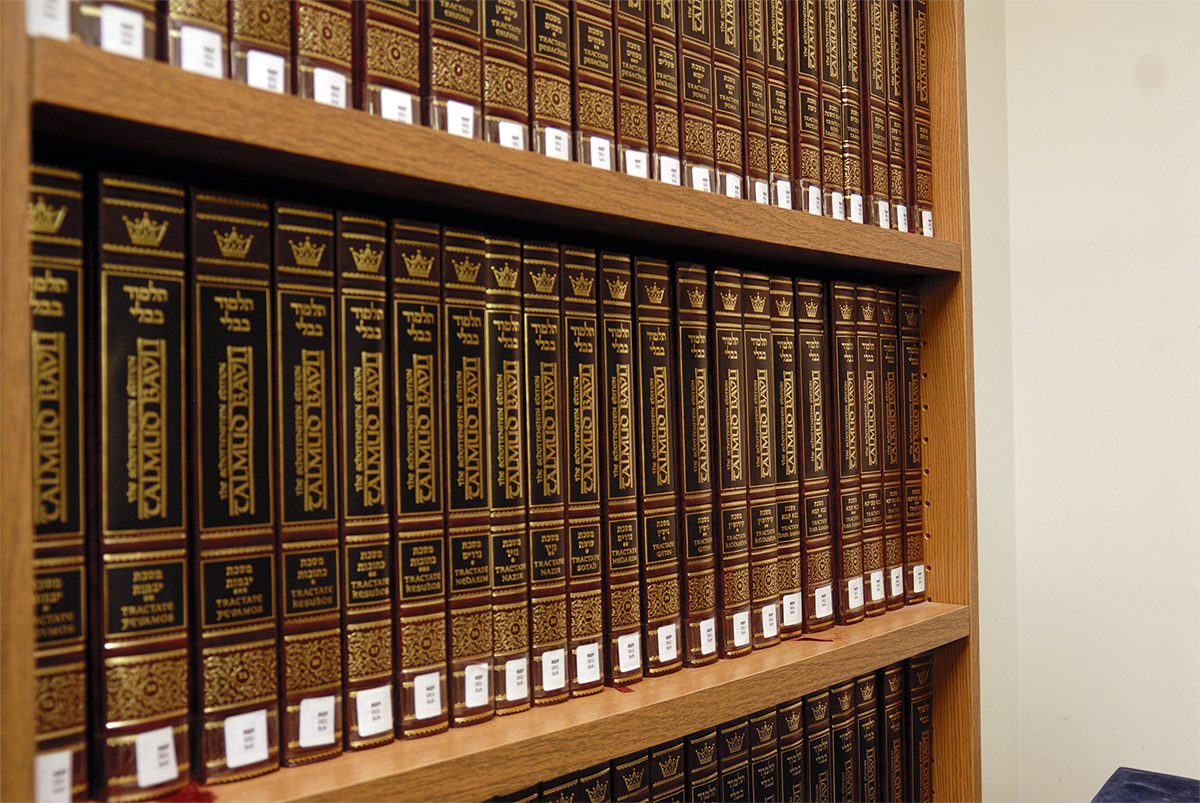
There are two versions: the Jerusalem Talmud, finished in Israel around 400 AD, and the much larger and more authoritative Babylonian Talmud, completed in Babylonia (modern Iraq) between 500 and 600 AD. When people say “the Talmud,” they almost always mean the Babylonian one.
The full Babylonian Talmud runs to about 2,700–3,000 pages and covers 63 different topics, from holidays and marriage to business law and ritual purity. It mixes strict legal rulings (halakha) with stories, moral lessons, and folklore (aggadah).
After the Second Temple was destroyed in 70 AD, the Talmud helped Judaism survive by turning it into a religion centered on study and law rather than Temple sacrifices. Today, many Orthodox Jews still study it daily in pairs, treating it as a living conversation that shapes how they practice their faith.